

hile becoming inextricable to our daily lives, online social media are blamed for increasing mental health problems in younger people. This systematic review synthesised evidence on the influence of social media use on depression, anxiety and psychological distress in adolescents. A search of PsycINFO, Medline, Embase, CINAHL and SSCI databases reaped 13 eligible studies, of which 12 were cross-sectional. Findings were classified into four domains of social media: time spent, activity, investment and addiction. All domains correlated with depression, anxiety and psychological distress. However, there are considerable caveats due to methodological limitations of cross-sectional design, sampling and measures. Mechanisms of the putative effects of social media on mental health should be explored further through qualitative enquiry and longitudinal cohort studies.
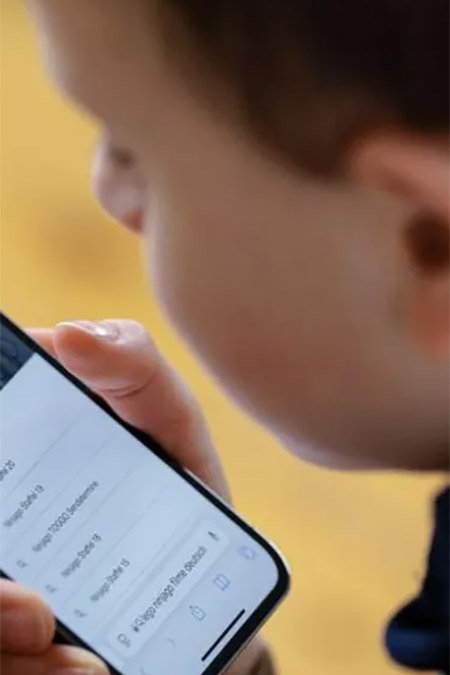
Austria has announced plans to ban social media for children aged under 14, becoming the latest country to consider introducing restrictions for children online. Andreas Babler says that it is the responsibility of politicians to protect children and argued that the issue should be treated no different to alcohol or tobacco: "There must be clear rules in the digital world too."
Read More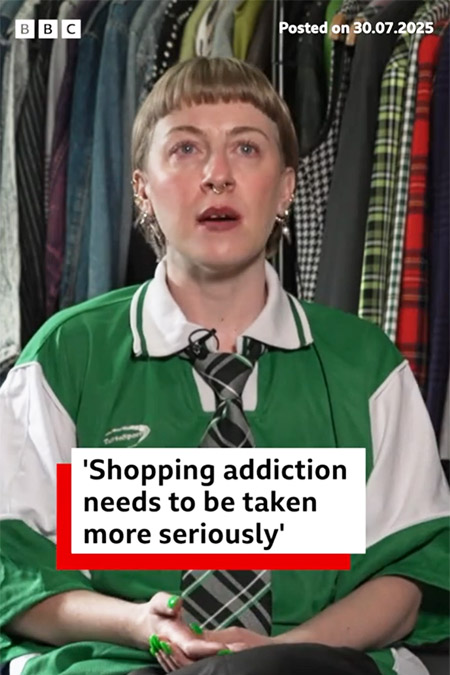
A day of retail therapy can be just the ticket for some people to help them feel better about themselves. But what happens when you can't stop shopping? Surrounded by racks of shirts, dresses and jumpers, Lucy tells me that she could spend up to 14 hours a day searching out new clothes as an escape from reality.
Read More
The field of internet addiction has experienced significant debates on conflicting epidemiology. This meta-analysis investigated the prevalence rates of generalized internet addiction (GIA) and internet gaming disorder (IGD).
Read MoreWe greatly appreciate your feedback on this website and would like to know what information you found useful and what services you would like to see next. Please take a couple of minutes to let us know.
survey


